About this medicine
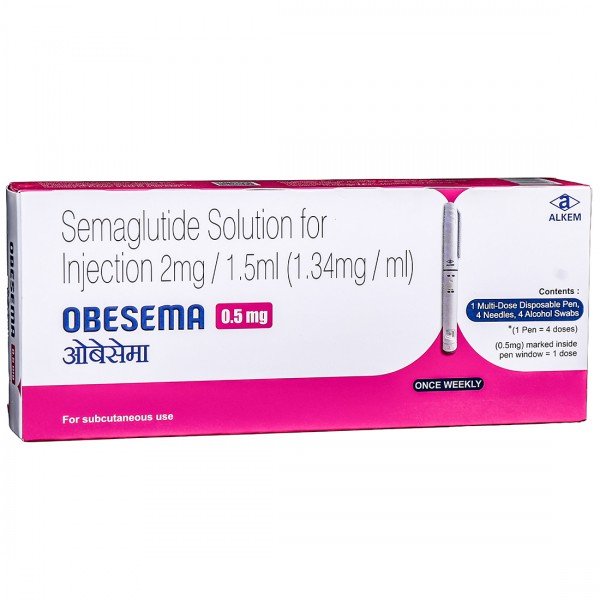
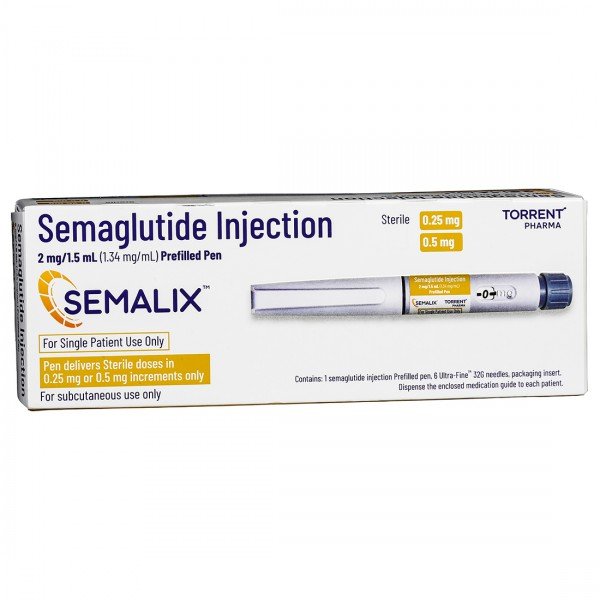
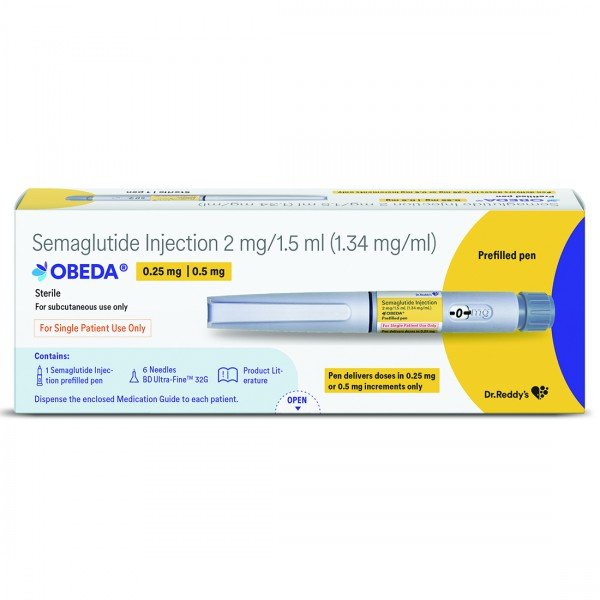
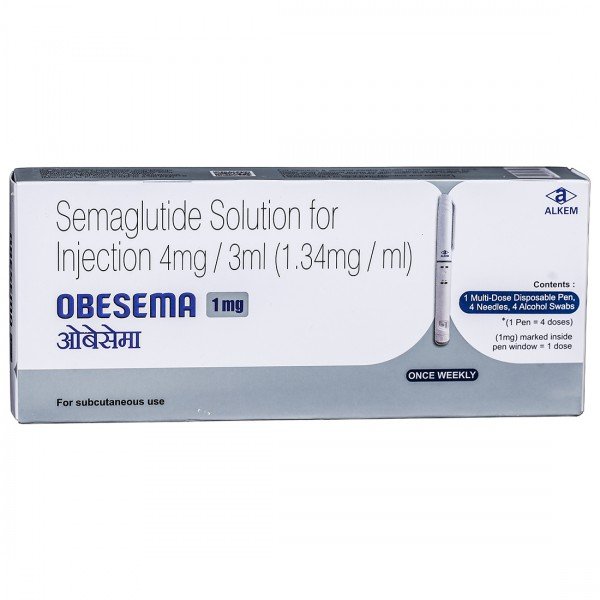
Obesema 0.25 mg Injection contains semaglutide, a GLP-1 receptor agonist that helps regulate appetite and blood sugar levels. It works by enhancing insulin secretion, reducing excess glucagon, and slowing gastric emptying, which promotes a feeling of fullness and lowers calorie intake.
It is prescribed as an adjunct to a reduced-calorie diet and increased physical activity for chronic weight management in adults with obesity, or those who are overweight with weight-related conditions such as Type 2 Diabetes, hypertension, or dyslipidaemia. In addition, it is indicated to reduce the risk of major cardiovascular events, including heart attack, stroke, and cardiovascular death, in adults with established heart disease and excess weight.
Composition:
Each Prefilled Pen contains 1.5 ml cartridge of Semaglutide.
Each 1.5 ml cartridge contains Semaglutide 1 mg.
Each 1 ml of Semaglutide Solution for Injection contains Semaglutide 0.68 mg
Excipients: Disodium Hydrogen Phosphate Dihydrate, Propylene Glycol, Phenol, Hydrochloric acid q.s. (for pH adjustment), Sodium Hydroxide q.s. (for pH adjustment), Water for injections q.s./ml.
Pack Contains: 1 Multi-Dose Disposable Pen, 4 Needles, 4 Alcohol Swabs
How to use
Obesema 0.25 mg Injection is prescribed for the following conditions:
Weight Management- Helps in weight loss for adults who are overweight or obese by increasing fullness, slowing stomach emptying, and reducing appetite.
Cardiovascular Risk Reduction- Helps lower the risk of major cardiovascular events, including heart attack, stroke, or cardiovascular death, in adults with established heart disease who are overweight or obese.
Weight Related Comorbid Condition- Used along with a reduced-calorie diet and increased physical activity in adults with obesity (BMI =30 kg/m²), or those who are overweight (BMI =27 kg/m²) with conditions such as hypertension, type 2 diabetes mellitus, or dyslipidaemia.
Type 2 Diabetes Mellitus- Obesema 0.25 mg Injection indicated as an adjunct to diet and exercise to improve glycemic control in adults with type 2 diabetes mellitus.
Obesema Injection is intended for subcutaneous use only and should be administered by an endocrinologists, internal medicine specialists, and cardiologists. It should be injected into areas of the body with a layer of fat just beneath the skin, such as the upper thigh, upper arm, or abdomen. Do not inject Obesema into a muscle (intramuscularly) or vein (intravenously). To reduce the risk of skin irritation, the injection site should be rotated each week. Do not attempt to self-administer this medication. Your endocrinologists, internal medicine specialists, and cardiologists will determine the appropriate dosage based on your medical condition and how you respond to treatment. Do not stop or alter the dose of Obesema Injection without consulting your endocrinologists, internal medicine specialists, and cardiologists, as this may prevent you from achieving the desired result. Each injection pen is meant for single-person use only.
Possible Side Effects
Obesema 0.25 mg Injection should be used strictly under medical supervision, as it may cause significant adverse effects. The most common side effects include nausea, vomiting, diarrhea, constipation, and loss of appetite, which are usually mild and tend to improve as the body adjusts. However, if these symptoms continue, it is important to consult endocrinologists, internal medicine specialists, and cardiologists.
Other possible effects include dizziness, mild increased heart rate (tachycardia), headache, infections, and indigestion. Although severe & rare side effects may occur and require immediate medical attention. These include pancreatitis, acute kidney injury, worsening of diabetic retinopathy, gastroparesis (slowed or stopped stomach emptying), bowel obstruction, gallbladder-related complications such as gallstones, medullary thyroid cancer and bile duct blockage.
Use of Obesema Injection may lead to noticeable physical changes as a result of rapid weight loss. One such effect is loss of facial fat, which can make the face appear hollow or sunken. This may be associated with features such as sunken eyes, increased wrinkles, sagging around the jawline (jowls), and changes in the appearance of the lips, cheeks, or chin.
Storage Information
Store in a refrigerator (2°C to 8°C). Do not freeze.
After first use, store at a temperature not exceeding 30°C or in a refrigerator (2°C to 8°C). The product may be stored for maximum 28 days after first dose.
Keep the pen cap on when not in use in order to protect from light.
Discard the pen after maximum 4 weeks of first use.
Do not store the pen with a needle attached.
Keep out of reach of children.
Do not use Obesema 0.25 mg Injection past its expiration date printed on the package. Dispose of expired or unused medications properly according to local guidelines or take them to a pharmacy take-back program.
Safety Advice
Prescription Required
Use this medicine only after consulting a registered doctor.
Keep Away From Children
Store medicines safely and out of reach of children.
Storage Instruction
Store in a cool and dry place away from direct sunlight.
Do Not Self Medicate
Incorrect usage may cause side effects or allergic reactions.